
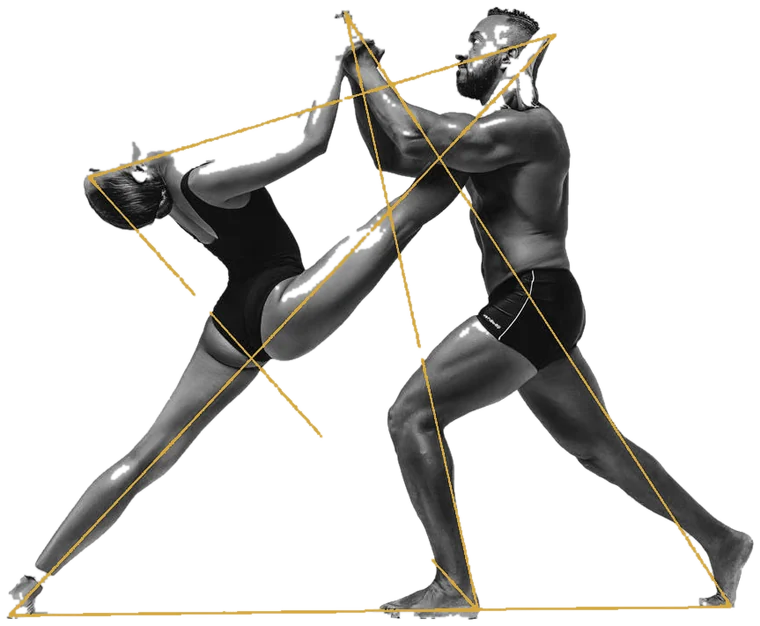
Martial Arts
Physical preparation for martial arts
Combat sports require more than technique. Strength, endurance, movement, conditioning, and physical readiness all contribute to performance.
Akmal Kadri1 min readRead article
Discipline in martial arts is often described as a character trait. In practice it is a set of habits: showing up, repeating fundamentals, and training with structure when motivation is low.
Martial arts are learned through repetition of fundamentals under gradually increasing complexity. Skills become reliable when they have been practised enough to remain available under pressure and fatigue.
That process is unavoidably repetitive. Athletes who accept repetition as the method, rather than as an obstacle before the interesting work, tend to develop more consistently.
Motivation fluctuates. Structure — fixed training days, a clear session plan, defined technical focus — allows training to continue through the periods when motivation is absent.
The same principle applies in the gym. Attendance and progression recorded across months explain far more physical change than any individual session.
Martial arts training environments rely on shared standards: punctuality, control during partner work, attention to instruction and care for training partners. These are practical safety requirements as much as traditions.
Those habits transfer. Athletes who train with structure and respect usually carry the same approach into conditioning, recovery and daily routines, which is where long-term development is decided.

About the author
Sports Medicine Specialist · Fitness Coach · Fitness Industry Consultant
Founder of Spartan Academy
Akmal Kadri works across sports medicine, sports performance and conditioning, fitness coaching, and fitness business development — from club planning and operations to equipment manufacturing.
Martial Arts
Combat sports require more than technique. Strength, endurance, movement, conditioning, and physical readiness all contribute to performance.

Performance & Conditioning
Understand how conditioning supports strength, endurance, movement, and physical readiness.
Fitness & Strength
Strength training and bodybuilding can overlap, but their primary goals and training methods are not always the same.