
Fitness & Strength
Strength training vs. bodybuilding
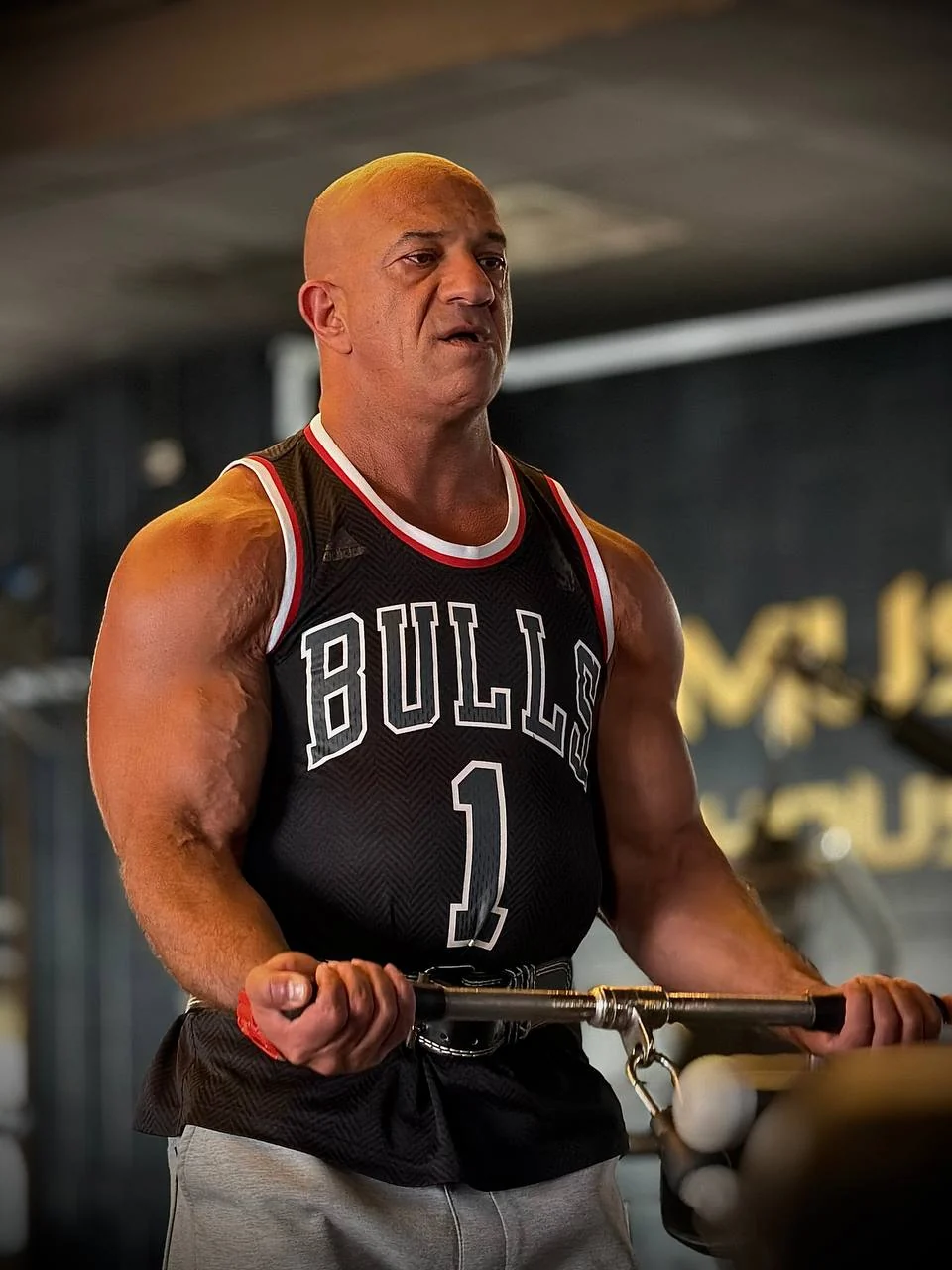
Strength training and bodybuilding can overlap, but their primary goals and training methods are not always the same.
Akmal Kadri1 min readRead article
Sports conditioning prepares the body for the physical demands of training and competition by developing qualities such as strength, endurance, movement, coordination, and overall physical readiness.
Conditioning is often confused with fatigue. A session that leaves someone exhausted is not automatically a session that improves physical capacity. Conditioning describes how well the body can produce, repeat and sustain effort under the specific demands of a sport or activity.
That capacity is built gradually. Structured conditioning develops the ability to work at different intensities, to recover between efforts, and to keep technique stable when fatigue appears. The goal is a body that stays organised and efficient when the task becomes demanding.
Most conditioning work touches several physical qualities at once: aerobic endurance for sustained work, anaerobic capacity for short intense efforts, strength for force production, and movement quality for control and coordination.
Different activities require different balances between these qualities. A combat athlete, a recreational gym member and someone returning to general activity after a long inactive period all need conditioning, but the structure, intensity and volume of that work should not be identical.
Progression is the practical core of conditioning. Training load is increased in manageable steps, with attention to frequency, intensity, duration and recovery. Sudden jumps in volume are one of the most common reasons progress stalls or discomfort appears.
Assessment matters as much as effort. Understanding a person's current level, training history, available time and general health allows a coach to build a plan that can actually be repeated week after week. Consistency over months produces more physical change than isolated hard sessions.
External references from recognised health, medical and public-science organisations.
This article provides general educational information and does not replace individual medical examination, diagnosis, or treatment.

About the author
Sports Medicine Specialist · Fitness Coach · Fitness Industry Consultant
Founder of Spartan Academy
Akmal Kadri works across sports medicine, sports performance and conditioning, fitness coaching, and fitness business development — from club planning and operations to equipment manufacturing.
Fitness & Strength
Strength training and bodybuilding can overlap, but their primary goals and training methods are not always the same.
Sports Medicine & Recovery
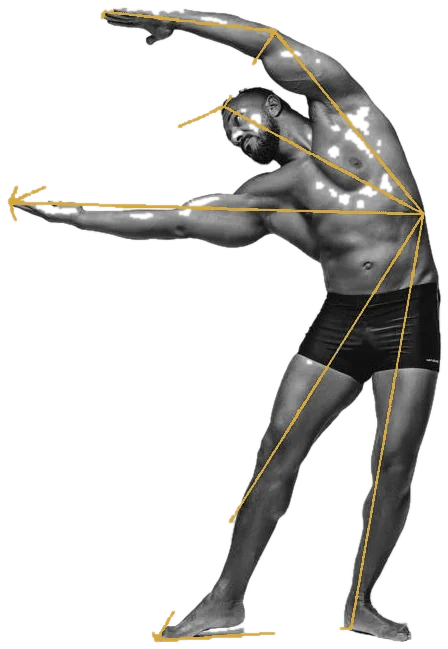
Mobility plays an important role in movement quality, training preparation, and overall physical capability.
Fitness & Strength
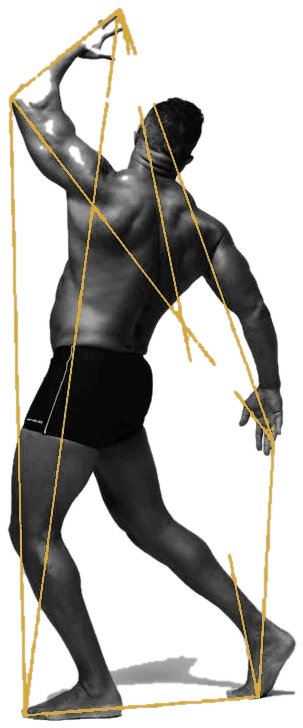
Progress can be affected by poor structure, inconsistent training, inadequate recovery, and unrealistic expectations.