
Sports Medicine & Recovery
The role of recovery in physical performance
Training creates physical demand. Recovery allows the body time to adapt and prepare for future training.
Akmal Kadri1 min readRead article
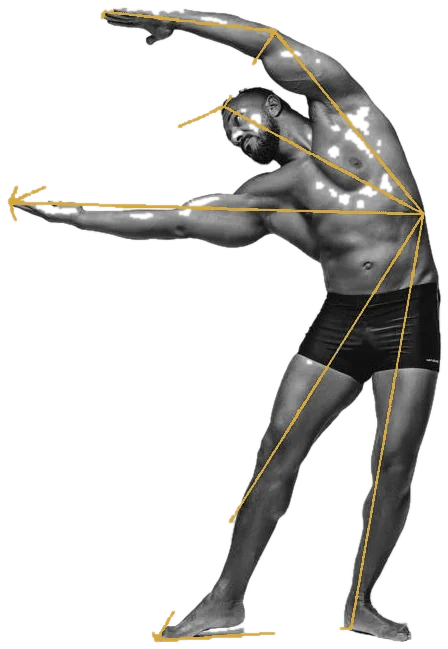
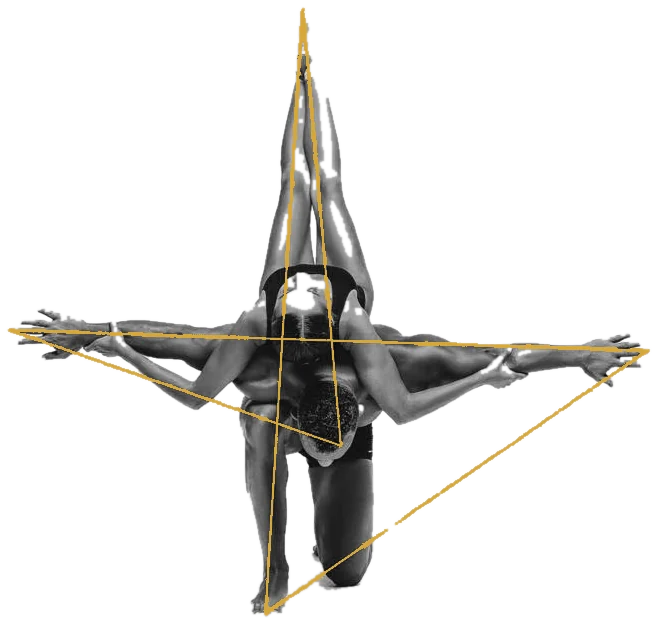
Mobility describes the range of motion a joint can move through with control. For active people it influences technique, training preparation, and how comfortable everyday movement feels.
Flexibility describes how far a tissue can lengthen passively. Mobility adds the ability to own that range actively, with the strength and coordination to control the position under load.
This distinction matters in training. Range that cannot be controlled is rarely usable in a squat, a lift, a sprint or a martial arts technique, where positions must be stabilised while force is being produced.
Restrictions often appear indirectly. Depth may be limited in lower-body work, positions may drift under load, or compensations may appear elsewhere in the body as a person tries to reach a position their joints do not comfortably allow.
Long periods of sitting, repetitive single-pattern training and inconsistent warm-up routines are common contributors. Addressing them is usually a matter of consistent practice rather than a single intensive session.
General mobility work usually combines a short movement-based warm-up before training, controlled full-range strength work within the session, and calm end-of-range practice afterwards. Small daily amounts tend to outperform occasional long sessions.
Discomfort, pain, or a limitation that does not change over time should be assessed individually rather than trained through. General articles cannot replace a personal examination.
External references from recognised health, medical and public-science organisations.
This article provides general educational information and does not replace individual medical examination, diagnosis, or treatment.

About the author
Sports Medicine Specialist · Fitness Coach · Fitness Industry Consultant
Founder of Spartan Academy
Akmal Kadri works across sports medicine, sports performance and conditioning, fitness coaching, and fitness business development — from club planning and operations to equipment manufacturing.
Sports Medicine & Recovery
Training creates physical demand. Recovery allows the body time to adapt and prepare for future training.

Performance & Conditioning
Understand how conditioning supports strength, endurance, movement, and physical readiness.
Fitness & Strength
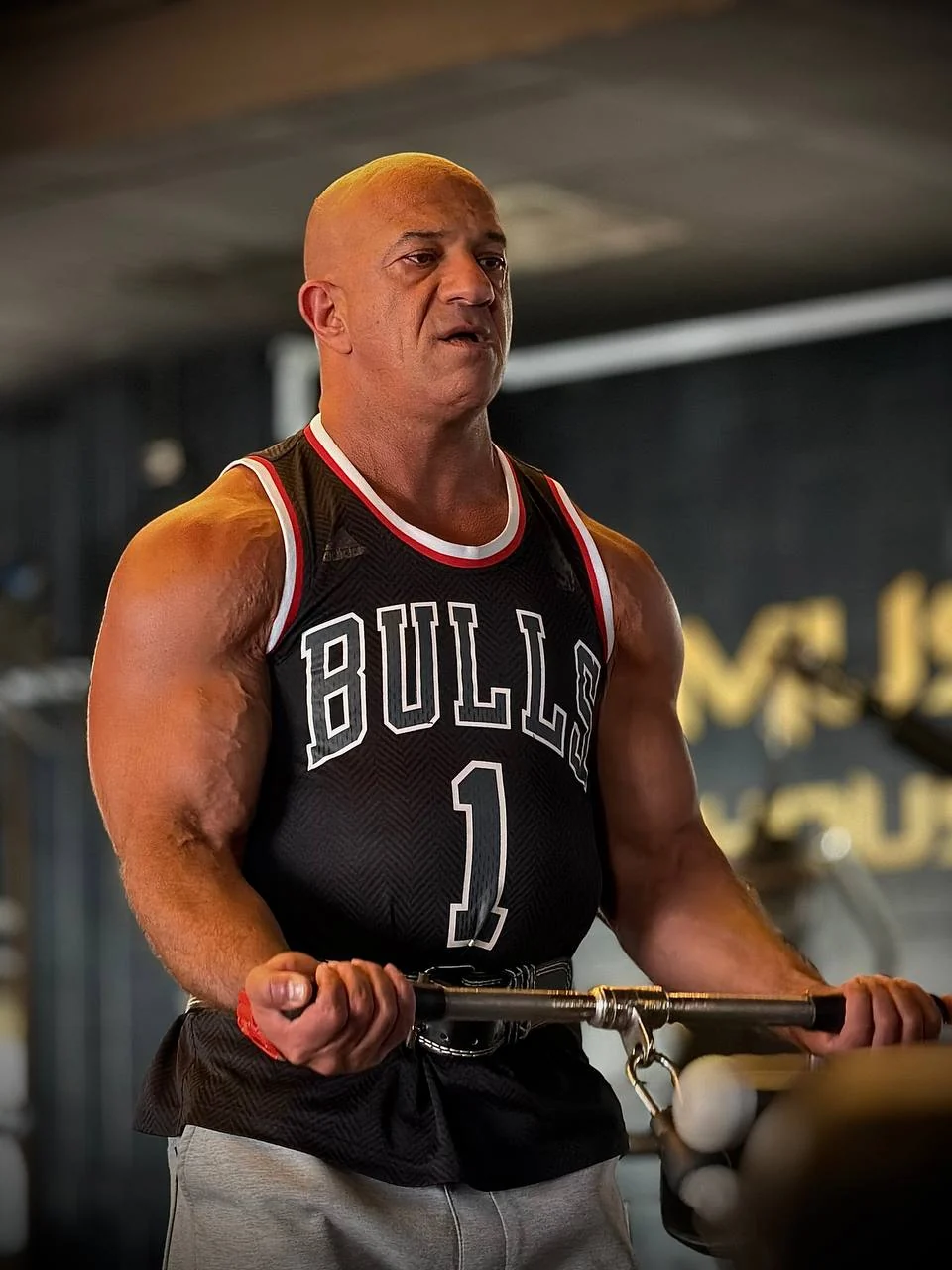
Strength training and bodybuilding can overlap, but their primary goals and training methods are not always the same.